Tesla’s Virtual Power Plant
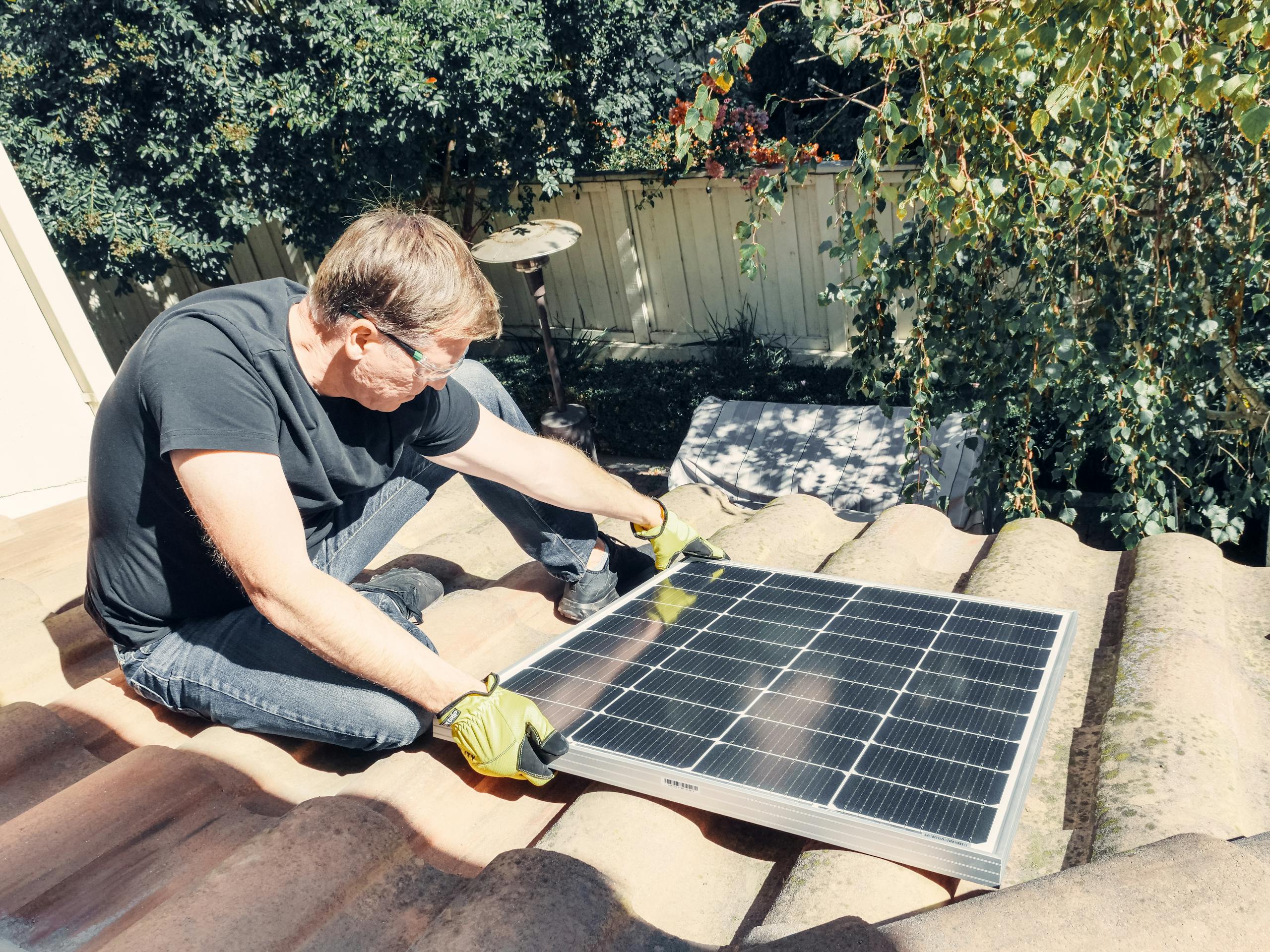
Tesla’s Virtual Power Plant (VPP) is an innovative system that leverages excess solar energy stored in Powerwall home batteries to provide sustainable power to the grid during high demand periods [1]. Here are some key points about it:
- Energy Sharing: Powerwall owners can share their stored energy with the community’s grid, earning money in return [1] [2].
- Grid Support: The VPP helps stabilize the grid by deploying stored energy during peak times, reducing the risk of blackouts [2].
- Incentives: Participants can earn $2 per kWh of energy contributed to the grid during emergency load reduction events [3].
- Monitoring: The Tesla app allows users to monitor their energy system and manage sharing preferences[1].
This system not only supports the local grid but also promotes cleaner, more reliable energy for everyone involved. 🌍
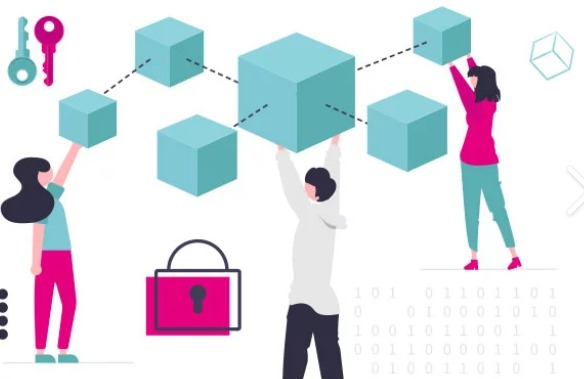
Tesla does not currently use a blockchain-based system to manage its Virtual Power Plant (VPP) program with prosumers. However, Tesla has implemented blockchain technology in other areas, such as ensuring the sustainable sourcing of raw materials for its electric vehicle batteries [1] [2] [3].
For example, Tesla uses blockchain solutions to trace cobalt from the Democratic Republic of Congo and nickel from BHP in Australia [1] [2]. This helps ensure that these materials are sourced responsibly and sustainably.
Would you like to know more about Tesla’s use of blockchain in other areas or details about the VPP program?
References
[1] Tesla uses blockchain for sustainable sourcing of cobalt, nickel
[2] Tesla Uses Blockchain Technology to Ensure Sustainably … – TESMANIAN
[3] Tesla Is Developing Blockchain Platform To Ensure Users Can Fully Track …
[1] Tesla Virtual Power Plant | Tesla
[2] Overview of PG&E and Tesla’s Virtual Power Plant Program – SolarReviews
[3] Tesla paid Powerwall owners $10 million through virtual power plants
From Telsa
Tonight, the Powerwall fleet in California dispatched 345MW to the grid during a Virtual Power Plant event, reducing the need for fossil-fueled peaking plants.
What is Tesla? An EV company? A Robotaxi company? A Robot company? A power company?
Yes.
Tesla is potentially one of the most important energy companies of the future due to its mass distribution of Powerwalls. And earlier this week, it displayed that network’s power and potential.
On Wednesday, Tesla’s Virtual Power Plant (VPP) in California dispatched 345 megawatts of stored energy from thousands of Powerwall home batteries to the grid. This was triggered during a period of high electricity demand to help stabilize the grid and avoid the use of fossil-fuel peaker plants. The coordinated discharge had a measurable effect: there was a visible drop in load, and electricity prices fell by 30–40%. Meaning it worked, big time.
Tesla’s Virtual Power Plant is one of those brilliant ideas that would likely stay a brilliant idea if not for the extraordinary execution skills of Elon. The VPP links distributed home batteries into a single energy resource that utilities can call on like any power plant, and homeowners are compensated for contributing the energy from their Powerwalls. Powerwall owners win, utility companies win, consumers of energy win, and because it’s all powered by solar, the environment wins. Win. Win. Win. Win. Oh yeah, and Tesla wins too. WIN.