What is a DAO?
In the ever-evolving landscape of blockchain technology, a revolutionary concept has emerged, challenging traditional organizational structures and redefining the way we collaborate and make decisions. Welcome to the world of Decentralized Autonomous Organizations, more commonly known as DAOs. In this blog post, we embark on a journey to unravel the intricacies of DAOs, exploring what they are, how they function, and the transformative impact they wield on the future of governance.
At its core, a DAO represents a paradigm shift in organizational governance. Unlike traditional institutions governed by a centralized authority, DAOs operate on the principles of decentralization, autonomy, and transparency. At first glance, these entities may seem complex, but beneath the surface lies a concept that empowers communities, fosters collaboration, and ensures democratic decision-making in the digital age.
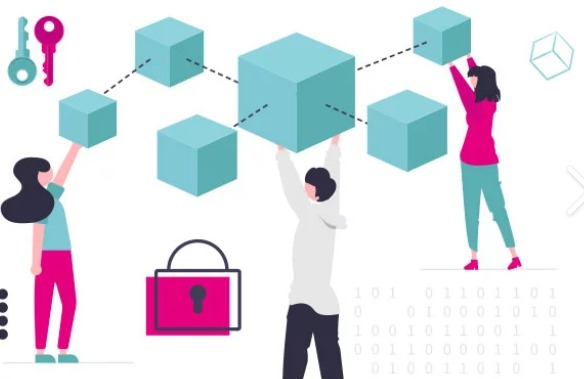
DAOs leverage blockchain technology, the same groundbreaking innovation behind cryptocurrencies like Bitcoin and Ethereum. Smart contracts, self-executing code residing on the blockchain, are the backbone of DAOs. These contracts encode the rules and processes that govern the organization, automating decision-making and eliminating the need for intermediaries. This autonomy is what makes DAOs truly decentralized and self-sufficient entities.
One of the defining features of DAOs is their inclusive and participatory nature. Any individual holding the native cryptocurrency of the DAO can become a member, granting them voting rights and a say in the organization’s affairs. This inclusive model breaks down barriers, allowing global communities to come together and collaborate on projects without geographical constraints. Whether it’s funding a new initiative, deciding on protocol upgrades, or managing collective resources, DAO members collectively shape the destiny of the organization.
While the promise of DAOs is immense, their journey has not been without challenges. The infamous “The DAO” incident in 2016 exposed vulnerabilities in the code and raised questions about the security of decentralized systems. However, the community responded with resilience, learning from the experience and implementing improvements to fortify the foundation of DAOs.
As we delve deeper into the mechanics of DAOs, we’ll explore their use cases across various industries. From decentralized finance (DeFi) platforms reshaping the financial landscape to art and culture communities collaboratively creating and managing digital assets, the versatility of DAOs knows no bounds. Their ability to streamline decision-making and foster trust within communities opens doors to innovative possibilities that were once unimaginable.
In the upcoming sections of this blog series, we will dissect the key components of DAOs, examine notable examples of successful implementations, and address the ongoing challenges and future prospects of this transformative concept. So, fasten your seatbelts as we embark on a captivating journey through the world of DAOs, unraveling the threads that weave the fabric of decentralized, community-driven governance.