Career Path of a Business Analyst in Business and ICT
Exploring the Career Path of a Business Analyst in Business and ICT
In today’s rapidly evolving business landscape, the role of a Business Analyst (BA) has become indispensable. As organizations increasingly rely on data to drive their decisions, the need for professionals who can bridge the gap between business objectives and technological solutions is more critical than ever. This blog post delves into the career path of a Business Analyst, highlighting the key responsibilities, required skills, and the evolving job market trends in the field of Business and Information and Communication Technology (ICT).
Understanding Business Analytics
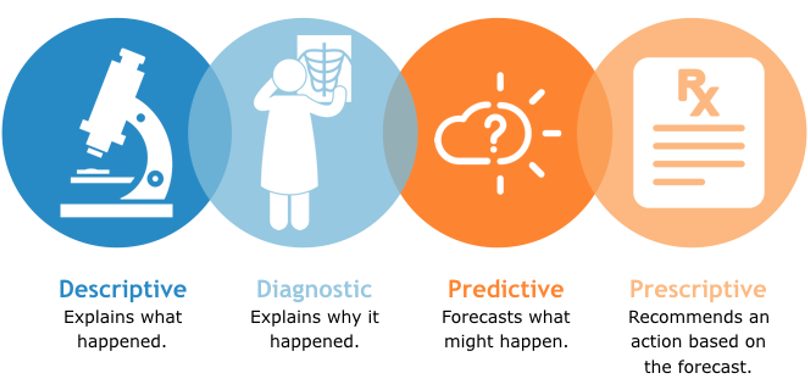
Business analytics is the practice of using data to drive business decisions. It involves a systematic approach to extracting, transforming, and analyzing data to uncover insights that can inform strategic and operational decisions. The field encompasses various types of analytics, including:
- Descriptive Analytics: This involves examining historical data to understand past events and trends. It answers the question, “What happened?” and helps in creating dashboards and reports that provide a clear overview of past performance.
- Diagnostic Analytics: This type digs deeper to understand the reasons behind past events. It answers the question, “Why did it happen?” by identifying the root causes of specific outcomes.
- Predictive Analytics: This involves forecasting future events or trends based on historical data. It answers the question, “What is likely to happen?” and is essential for proactive decision-making.
- Prescriptive Analytics: This goes beyond predicting future events and offers recommendations for actions that will achieve specific outcomes. It answers the question, “What should we do?”











The Role of a Business Analyst
A Business Analyst plays a crucial role in leveraging data to drive business success. Their responsibilities typically include:
- Data Collection and Analysis: Gathering data from various sources, transforming it into a usable format, and analyzing it to uncover insights.
- Problem-Solving: Identifying business problems and opportunities, and using data to propose solutions.
- Communication: Presenting findings and recommendations to stakeholders through reports, dashboards, and presentations.
- Collaboration: Working closely with IT teams, management, and other stakeholders to ensure that data-driven solutions align with business goals.
Essential Tools and Skills
To excel as a Business Analyst, one must be proficient in various tools and technologies. Some of the key tools include:
- Data Acquisition and Storage: Tools like SQL, Excel, and various databases (e.g., MS SQL Server, MySQL, Oracle).
- Data Analysis: Programming languages such as Python, R, and SQL are essential for data manipulation and analysis.
- Data Visualization: Tools like Power BI, Tableau, and Excel are used to create visual representations of data.
- Project Management: Tools like Jira and Confluence help in managing projects and collaborating with teams.
In addition to technical skills, a Business Analyst must possess strong analytical thinking, problem-solving abilities, and excellent communication skills.
Job Market Trends
The demand for Business Analysts is on the rise, driven by the increasing importance of data in decision-making processes. According to recent studies, the job market for analysts in Poland has seen significant growth. For instance, the number of job offers for analysts on the Polish job portal pracuj.pl increased from 4,141 in 2023 to 7,730 in 2024-25.
The job titles for analysts vary, with positions ranging from junior analysts to senior experts and managers. The most common job titles include Data Analyst, Business Intelligence Analyst, and Systems Analyst.
The Future of Business Analytics
The future of business analytics looks promising, with advancements in technologies such as artificial intelligence (AI) and machine learning (ML) driving the field forward. Predictive and prescriptive analytics are becoming more sophisticated, enabling businesses to make more accurate forecasts and informed decisions.
In the e-commerce sector, predictive analytics is being used to understand customer behavior, optimize pricing strategies, and improve inventory management. Text analytics, which involves analyzing text data from sources like social media and customer reviews, is also gaining traction, providing valuable insights into market trends and customer preferences.
Conclusion
A career as a Business Analyst offers a dynamic and rewarding path for those interested in the intersection of business and technology. With the right skills and tools, Business Analysts can play a pivotal role in helping organizations navigate the complexities of the modern business landscape. As the demand for data-driven decision-making continues to grow, so too will the opportunities for skilled Business Analysts.
Whether you are just starting your career or looking to advance to a senior position, the field of business analytics offers a wealth of opportunities for growth and development. By staying abreast of the latest trends and continuously honing your skills, you can position yourself for success in this exciting and ever-evolving field.
Expanding Your Horizons
As you embark on or continue your journey as a Business Analyst, consider exploring specialized areas within the field. For instance, text analytics and natural language processing (NLP) are becoming increasingly important as businesses seek to extract insights from vast amounts of textual data. Additionally, understanding the nuances of e-commerce analytics can provide a competitive edge in the retail sector.
Moreover, staying updated with the latest tools and technologies is crucial. Familiarize yourself with advanced data visualization tools like Tableau and Power BI, and enhance your programming skills in languages such as Python and R. These competencies will not only make you more effective in your current role but also open up new career opportunities.
In conclusion, the role of a Business Analyst is multifaceted and ever-evolving. By continuously developing your skills and staying informed about industry trends, you can ensure that you remain a valuable asset to any organization. The future of business analytics is bright, and with the right approach, you can carve out a successful and fulfilling career in this dynamic field.