What drives people purchase online
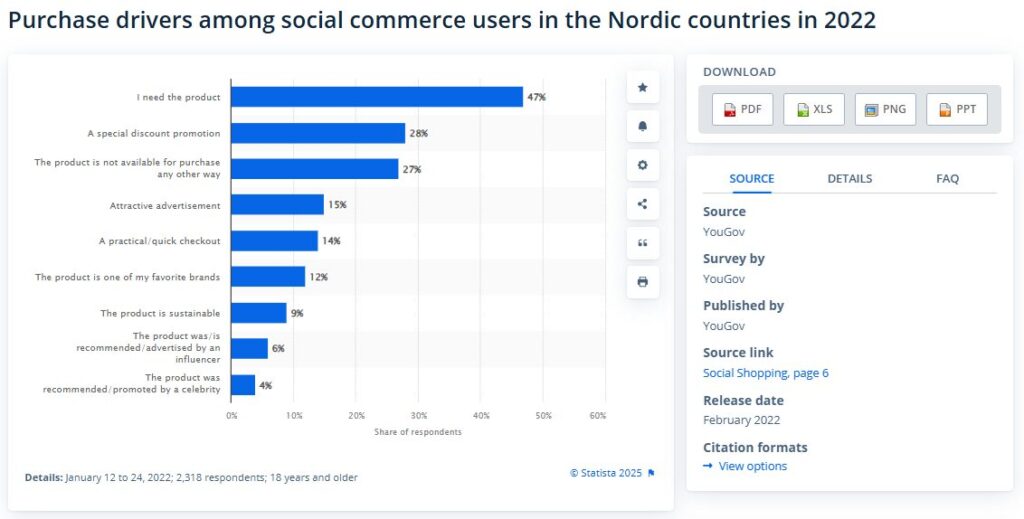
What drives people purchase online. In recent years, online shopping has become driven by several key factors that influence consumer behavior. Surveys and studies have highlighted convenience, variety, competitive pricing, personalized experiences, and social influence as the primary drivers behind this trend.
Convenience and Accessibility
One of the most significant factors driving online purchases is convenience. Consumers can shop from the comfort of their homes, avoiding the hassle of traveling to physical stores. Online platforms offer 24/7 accessibility, allowing shoppers to make purchases at any time. This convenience is particularly appealing to busy individuals who may not have the time to visit brick-and-mortar stores1.
Variety and Competitive Pricing
Online shopping platforms provide a vast array of products, often more extensive than what is available in physical stores. This variety allows consumers to compare different brands and products easily. Additionally, competitive pricing is a major driver. Online retailers frequently offer discounts, promotions, and deals that are not available in physical stores, making it financially attractive for consumers to shop online2.
Personalized Shopping Experiences
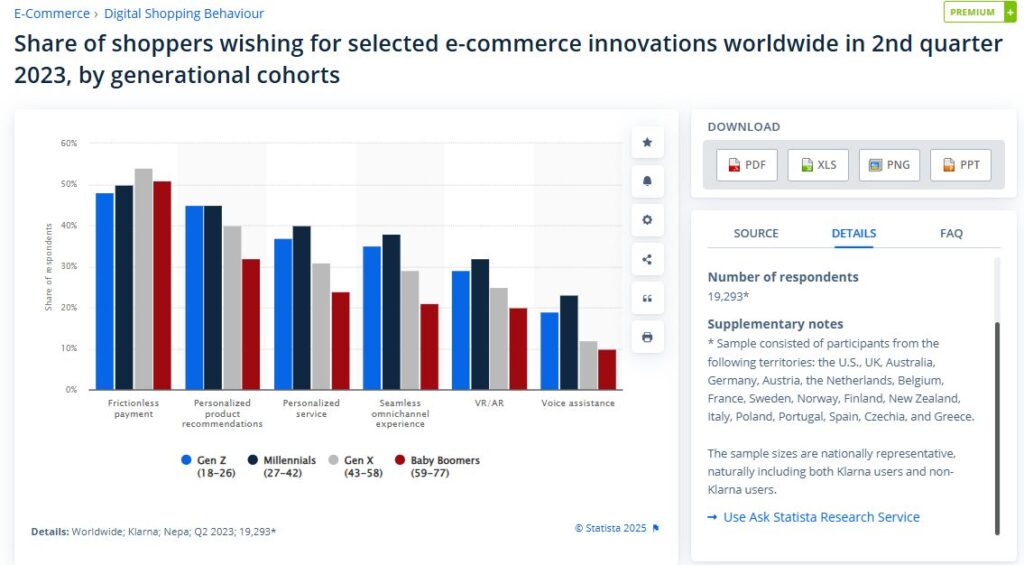
Advancements in technology have enabled online retailers to offer personalized shopping experiences. Through data analytics and machine learning, retailers can recommend products based on consumers’ past purchases and browsing behavior. This personalization enhances the shopping experience, making it more engaging and tailored to individual preferences3.
Social Influence and Reviews
Social influence plays a crucial role in driving online purchases. Consumers often rely on reviews and ratings from other shoppers to make informed decisions. Positive reviews can significantly impact purchase intentions, as they build trust and credibility. Additionally, social media platforms and influencers can sway consumer behavior by showcasing products and sharing their experiences4.
What drives people purchase online
https://www.statista.com/search/?q=online+purchase+drivers&Search=&p=1
What drives people purchase online – Conclusion
The convenience, variety, competitive pricing, personalized experiences, and social influence are key drivers behind the growing trend of online shopping. As technology continues to evolve, these factors will likely become even more pronounced, further shaping consumer behavior and the future of retail.
The conclusions on what differs in online purchase motivation for Nordic countries compared to other regions in Europe. What drives people purchase online.
Sustainability Focus
Nordic consumers place a strong emphasis on sustainability when making online purchases. Surveys indicate that 8 out of 10 Nordic consumers consider sustainability as a key factor in their buying decisions1. This is higher compared to other European regions, where sustainability is important but not as predominant.
Second-Hand Shopping
Online second-hand shopping is particularly popular in the Nordics, driven by budget-conscious and eco-aware consumers1. This trend is less pronounced in other European regions, where new products are generally preferred over second-hand items.
Digitalization and Technology Use
The Nordic countries have high levels of digitalization and internet access, making online shopping a normal part of life1. This contrasts with some other European regions where digital adoption may be slower, and traditional shopping methods still hold significant sway.
International Shopping Trends
Nordic consumers show a rising interest in international shopping, with a noticeable increase in purchases from outside the region1. This includes a significant portion of consumers buying from countries like China. In comparison, other European regions may have a stronger preference for local or regional products.
Convenience and Delivery Options
While convenience is a universal driver for online shopping, Nordic consumers benefit from advanced delivery options such as parcel lockers and smart delivery systems1. These innovations are less widespread in other European regions, where traditional delivery methods are more common.
In summary, Nordic consumers are distinguished by their strong focus on sustainability, preference for second-hand shopping, high digitalization, interest in international products, and advanced delivery options. These factors set them apart from other regions in Europe, shaping unique online purchase motivations.
More in this blog: You searched for online purchase – Customer Experience Management
Survey on Drivers of Online Purchases Among Young People. What drives people purchase online.
Survey Questions:
- Rate the importance of the following factors when making an online purchase (1 = Not Important, 5 = Very Important):
- Convenience
- Price
- Product Variety
- Brand Reputation
- Customer Reviews
- Sustainability of Products
- Delivery Speed
- Return Policy
- Which of the following factors most influences your decision to purchase from a specific online store?
- Discounts and Promotions
- Free Shipping
- User-Friendly Website, Recommendation from internet shop
- Recommendations from Friends & Family
- Social Media Influencers
- How important is the availability of customer reviews in your decision-making process?
- Not Important
- Slightly Important
- Moderately Important
- Very Important
- Extremely Important
- How often do you purchase products based on recommendations from social media influencers?
- Never
- Rarely
- Sometimes
- Often
- Always
- Do you consider the sustainability of products when making online purchases?
- Yes
- No
- Sometimes
- What is the most significant barrier to making online purchases for you?
- Security Concerns
- High Shipping Costs
- Long Delivery Times
- Difficulty in Returning Products
- Lack of Trust in Online Stores
This survey uses a combination of multiple-choice and Likert scale questions to gather quantitative data, which can be analyzed statistically to identify key drivers of online purchases.
The scientific methodology. What drives people purchase online.
The scientific methodology behind survey design involves several key principles and steps to ensure the collection of reliable and valid data. Here are the main components:
1. Questionnaire Design:
- Clarity and Precision: Questions should be clear, direct, and unambiguous to avoid misinterpretation. They should be simple and unbiased, avoiding leading or loaded questions1.
- Relevance: Each question should be relevant to the research objectives and designed to elicit information that addresses the study’s goals1.
2. Sampling:
- Defining the Target Population: The “universe” or target population must be clearly defined. This includes specifying the demographic characteristics of the respondents1.
- Sample Selection: A representative sample should be selected using appropriate sampling techniques (e.g., random sampling, stratified sampling) to ensure the results can be generalized to the broader population2.
3. Data Collection:
- Systematic Process: Data collection should follow a systematic and careful process to minimize biases and errors. This includes choosing the mode of data collection (e.g., online surveys, face-to-face interviews) and ensuring consistency in how questions are presented1.
- Ethical Considerations: Ensuring the confidentiality and anonymity of respondents is crucial. Ethical guidelines should be followed to protect participants’ rights3.
4. Analysis:
- Statistical Techniques: Data should be analyzed using appropriate statistical methods to identify patterns, correlations, and trends. This includes descriptive statistics, inferential statistics, and multivariate analysis2.
- Validity and Reliability: Ensuring the validity (accuracy) and reliability (consistency) of the data is essential for drawing meaningful conclusions2.
5. Reporting:
- Transparent Reporting: The findings should be reported transparently, including details about the methodology, sample characteristics, and any limitations of the study1.
- Actionable Insights: The results should provide actionable insights that can inform decision-making and further research1.
By adhering to these principles, surveys can provide valuable and scientifically sound insights into consumer behavior and other research areas.
What drives people purchase online.